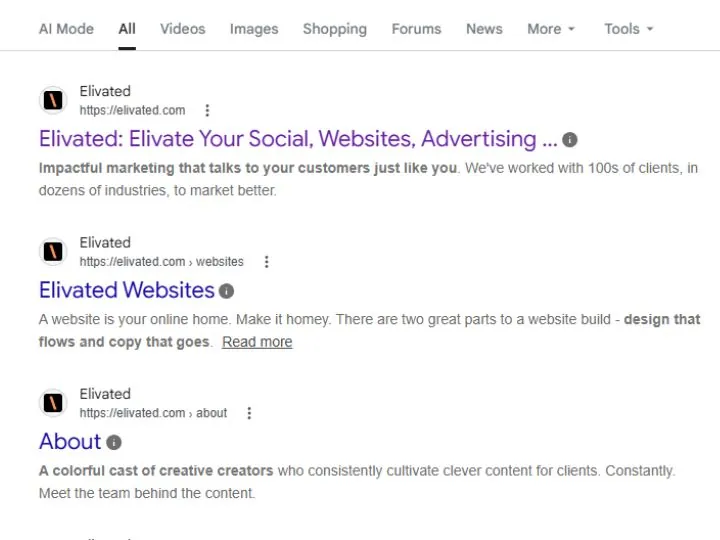
SEO titles and meta descriptions may seem like small details, but they can have a major impact on how your website performs in search results. These elements help search engines understand your content while also influencing whether users decide to click on your page.
Many businesses write their SEO titles and meta descriptions once and never revisit them again. Others constantly rewrite them hoping for better rankings and more traffic. The truth is that neither extreme is ideal.
So how often should you actually update SEO titles and meta descriptions?
The answer depends on performance, search trends, and changes to your content. In this article, we’ll explain when you should update them, why it matters, and how to do it strategically without hurting your SEO efforts.
What Are SEO Titles and Meta Descriptions?
Before discussing how often they should be updated, it’s important to understand what these elements do.
SEO Titles Explained
An SEO title, also called a title tag, is the clickable headline users see in search engine results. It tells both users and search engines what the page is about.
For example, if someone searches for “local SEO services,” the title tag helps determine whether your page appears relevant to that search.
Well-optimized SEO titles can improve rankings, visibility, and click-through rates.
Meta Descriptions Explained
A meta description is the short summary displayed under the title in search results. While meta descriptions are not a direct ranking factor, they strongly influence whether users click on your page.
A strong meta description can improve click-through rates by clearly explaining what users will find on the page and why it is valuable.
Why They Matter Together
SEO titles and meta descriptions work together to create your search listing. Even if your page ranks well, weak metadata can prevent users from clicking.
That means you could be losing valuable traffic simply because your title or description is outdated, unclear, or unappealing.
Why Updating SEO Titles and Meta Descriptions Matters
Search behavior changes over time. Keywords that worked a year ago may not be as effective today. Competitors also continuously optimize their content, which means your search listings can become less competitive if left untouched.
Updating your SEO metadata can help you:
- Improve click-through rates
- Better align with current search intent
- Target updated keywords
- Increase visibility in search results
- Refresh outdated messaging
- Stay competitive in your industry
Another important reason to update metadata is that Google sometimes rewrites title tags and meta descriptions. This often happens when Google believes the existing metadata is not relevant, helpful, or aligned with the page content.
Regularly reviewing and improving your metadata can reduce the chances of Google replacing it with its own version.
How Often Should You Update SEO Titles and Meta Descriptions?
There is no universal schedule that works for every website, but there are clear situations where updates make sense.
Update Them When Performance Drops
One of the biggest signs that your metadata needs attention is declining performance.
If you notice:
- Lower click-through rates
- Decreasing impressions
- Falling rankings
- Reduced organic traffic
… it may be time to revise your titles and meta descriptions.
For example, if your page ranks on the first page of Google but receives very few clicks, the issue may not be the ranking itself. Instead, your title or description may not be compelling enough compared to competing results.
Review Them Quarterly or Biannually
A good practice is to review important pages every three to six months.
This does not mean rewriting everything every quarter. Instead, evaluate whether your metadata is still accurate, relevant, and effective.
Focus first on:
- High-traffic pages
- Service pages
- Product pages
- Blog posts that generate leads or conversions
Regular reviews help ensure your metadata continues to support your SEO goals.
Update Them After Major Content Changes
Whenever you significantly update a page, you should also revisit the title and meta description.
For example:
- You add new services
- You target different keywords
- You rewrite major sections of content
- You change the focus of the page
Your metadata should accurately reflect the updated content. Otherwise, users may feel misled after clicking through to the page.
Refresh Them for Seasonal or Trending Keywords
Some industries experience seasonal search trends or changing customer interests.
For example, a marketing agency may update metadata around terms like:
- “2026 SEO trends”
- “holiday marketing strategies”
- “summer advertising campaigns”
Refreshing metadata for timely searches can help improve relevance and visibility during peak periods.
Avoid Constant Changes
While updates can help, changing metadata too frequently is not always beneficial.
Search engines need time to process updates and evaluate performance changes. Constantly rewriting titles and descriptions can make it difficult to measure what is actually working.
Instead of making random changes every week, focus on strategic updates based on data and performance trends.
Signs Your SEO Titles and Meta Descriptions Need Updating
Not sure whether your metadata needs improvement? Here are some common warning signs.
Low Click-Through Rate
If your pages rank well but receive few clicks, your metadata may not be persuasive enough.
A stronger title or more engaging meta description could encourage more users to visit your site.
Outdated Information
Metadata that includes outdated years, services, pricing, or offers should be updated immediately.
Old information can reduce trust and make your content appear neglected.
Weak Keyword Targeting
Search intent evolves over time. If your metadata no longer aligns with what users are searching for, your visibility and click-through rates may suffer.
Google Is Rewriting Your Snippets
If Google frequently replaces your title or description in search results, it may indicate that your metadata is weak, repetitive, or disconnected from the actual page content.
Best Practices When Updating SEO Metadata
Updating metadata should be done strategically.
Focus on Search Intent
Think about what users actually want when they search for a keyword. Your metadata should clearly match that intent.
Keep Titles Clear and Compelling
Use primary keywords naturally while making the title engaging and easy to understand.
Avoid keyword stuffing or vague headlines.
Write Meta Descriptions That Encourage Clicks
Your meta description should explain the value of the page and encourage users to take action.
Focus on benefits, solutions, and relevance.
Test and Monitor Results
Use tools like Google Search Console to track:
- Click-through rates
- Impressions
- Rankings
- Traffic changes
Monitoring performance helps you understand whether your updates are improving results.
Conclusion
SEO titles and meta descriptions should never be treated as “set it and forget it” elements. Search trends, competition, and user behavior change over time, which means your metadata should evolve as well.
Rather than constantly rewriting everything, focus on regular reviews and strategic updates based on performance data and content changes. Even small improvements to your metadata can lead to better click-through rates, increased visibility, and more organic traffic.
Struggling with low click-through rates or underperforming pages? Elivated specializes in refining SEO titles and meta descriptions that actually get results.
Contact Elivated to see how small changes can make a big impact on your organic traffic.
Need help with SEO? We’ve got you.
We do this for clients every day. Tell us where you are for a free quote.